

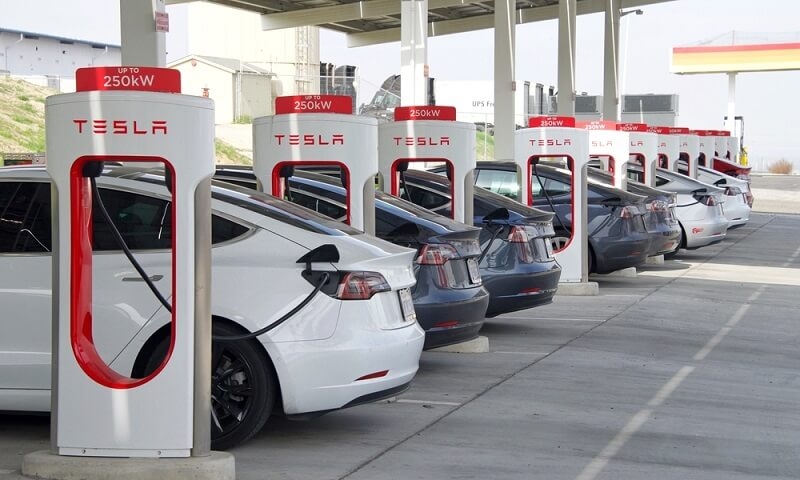
Porsche drivers have always loved the “go anywhere” feeling. Fast highways. Weekend trips. Last-minute plans that turn into memories. But EV life can still come with one annoying question: “Where do we charge next?”
That’s why this update is a big deal. Porsche owners can now tap into the Tesla Supercharger Network, which changes the road-trip game in a very real way. More chargers. More locations. Less stress.
Still, it’s not quite as simple as just rolling up and plugging in like a Tesla driver. Not yet. There are adapters, app steps, and a few “good to know” details that can save a lot of time.
So let’s break it down like a normal human would. No fluff. No panic. Just what homeowners and drivers should actually know.
The biggest win here is coverage. The Tesla Supercharger Network is known for being widespread, dependable, and easy to find on major routes. That matters most when someone is traveling long-distance, driving in unfamiliar areas, or trying to avoid getting stuck with a slow charger at the worst possible time.
For Porsche owners, access to that network means more options in places where other fast chargers might be limited, busy, or broken. It’s also a confidence boost. Even experienced EV drivers know the feeling of pulling into a station and quietly hoping the charger works.
This shift is about convenience. Less planning stress. Less “backup plan” energy. More driving.
Now the practical question: what does it mean when people say Porsche owners can use Superchargers?
It means Tesla Supercharger access is available for supported Porsche EVs, typically by using the correct adapter and starting the charge session through an approved method. This is not “every Tesla charger works for every Porsche, instantly.” It’s more like “many Superchargers are now available, and the experience keeps getting smoother.”
That might sound small, but it’s massive in real life. Also, not every Supercharger location is identical. Some have older stalls, some have newer equipment, and site layouts vary. So Porsche drivers may still need to think about parking position and cable reach in certain spots.
This update is most meaningful for owners driving full EV Porsche models, like the Taycan and the Macan Electric. These vehicles already make long-distance driving fun, but fast charging availability is what makes it feel effortless.
For drivers focused on daily commuting, this change may not feel dramatic at first. Home charging still does the heavy lifting. But for weekend trips and highways, it’s huge. And yes, it helps reduce charging anxiety, even for people who swear they “don’t get charging anxiety.” Sure. Until they do.
Most Porsche EVs in North America use a CCS1 charge port, while Tesla Superchargers commonly use the NACS connector. That’s why an adapter matters.
This is where the keyword that matters comes in: Porsche charging Tesla Supercharger typically requires a Porsche-approved NACS-to-CCS adapter, depending on the Supercharger station type and compatibility.
The best move is using an official, automaker-approved adapter. It’s safer, more reliable, and more likely to work without drama. Some locations may have built-in hardware solutions for non-Tesla charging, but many will still rely on the adapter setup.
Once the Porsche owner has the adapter, the session usually follows a straightforward flow:
That’s the basic rhythm for Porsche EV charging on Superchargers right now. It’s not complicated, but it’s different from regular CCS fast charging, so the first attempt can feel slightly awkward.
Honestly, the first time may take two minutes longer than expected. After that, it’s easy.
This is the part drivers care about because nobody wants to stand outside in bad weather flipping between apps.
In many cases, charging may start through the Tesla app at first. Then, depending on the region and supported setup, integration with Porsche’s own charging services can make things smoother.
The big goal is a “plug and charge” experience where the car authenticates automatically and billing happens in the background. That’s what makes public charging feel truly modern.
Until that experience becomes universal across stations and models, owners should expect a mix of “tap to start” and “plug to start” depending on location.
Here’s where things get slightly nerdy, but it matters. Not all Superchargers deliver the same speed, and some higher-voltage EVs may not always hit their maximum charging potential on certain stations. In real terms, charging is still fast, but the peak numbers on paper might not always show up in practice.
The good news is simple: for most real road trips, faster and more reliable matters more than perfect peak speed.
Also, charging speed depends on:
So if someone plugs in at 80% and thinks “this is slow,” that’s normal. That last 20% always takes longer.
Learn More: Porsche Taycan Battery Care Tips for Peak Range and Health
Road trips are where public charging either feels smooth or feels like a test of patience. This update gives Porsche drivers more confidence to take longer routes, explore smaller towns, and travel without obsessively mapping every stop. That’s the practical benefit of Tesla Supercharger access.
It also helps when:
Basically, it gives drivers options, and options are freedom.
A few simple habits can make charging smoother:
And yes, keep an adapter in the car. Always. The one time someone forgets it will be the one time they need it.
The second time we’ll call it out clearly: Porsche charging Tesla Supercharger access is not only about big highway trips. It can also help in busy metro areas where fast-charging queues happen, or where other networks are less reliable.
For some drivers, this will become the “default fast charging plan” when they’re out running errands for hours or traveling between cities. It’s not about abandoning every other network. It’s about having more dependable choices.
The bigger story here is standardization. The EV world is moving toward shared charging standards so drivers don’t feel locked into one ecosystem forever. This is why Porsche electric vehicle charging is getting easier year by year. More charging partnerships, more access, and less friction. That’s the direction.
Over time, more Porsche models are expected to support more seamless plug-and-charge experiences, making the whole process feel less like “tech setup” and more like “normal fueling.” Which, honestly, is what everyone wants.
Let’s be real. The first time using a new charging system always feels like a tiny performance. Like someone is watching. Nobody is watching, but it feels that way.
So here’s the simple checklist for Tesla Supercharger for Porsche:
That’s it. No overthinking. After one successful session, most drivers feel confident doing it anywhere.
This update is a milestone, but it’s also a step in an ongoing transition. Charging access is expanding, plug-and-charge experiences are improving, and networks are adapting to more non-Tesla vehicles.
That means Porsche EV charging should keep getting easier, especially as more compatible stations roll out and software integrations improve. In the end, the goal is simple: drivers should spend less time managing charging and more time enjoying the drive.
Read More: Luxury SUV Comparison: 2026 Cayenne vs BMW X5 Review
Here’s the second use, spaced out: Tesla Supercharger for Porsche is about peace of mind. It’s about Porsche drivers being able to plan trips like they always have, without treating charging as a constant variable.
More access means fewer compromises. And fewer compromises means EV driving feels more like driving, period.
In most cases, yes. Porsche EVs with CCS1 ports typically need a Porsche-approved NACS-to-CCS adapter to charge at Tesla Superchargers.
Not always. Some locations may not support non-Tesla vehicles, and compatibility can vary. Drivers should check supported stations before arriving.
It depends on the Supercharger type, site conditions, and battery level. Many drivers find Superchargers reliable and convenient, even if peak speed varies.
This content was created by AI