

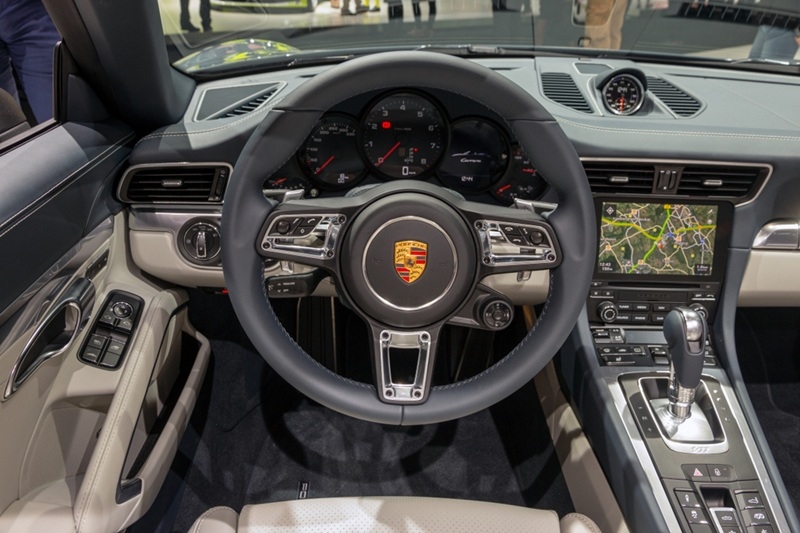
Porsche driver assistance features are designed to support drivers in real-world conditions. They help with braking, steering, parking, and monitoring traffic around the vehicle. In 2026, these systems will feel more refined and more natural during daily use. Many buyers compare Porsche safety features and Porsche advanced driver assistance systems before making a final decision.
This blog will explain how the Porsche driver assistance features work on the road and everything you need to know about the Porsche technology package.
Must Read: Inside Porsche Sonderwunsch Custom Luxury Redefined
There is a reason drivers talk about these systems with confidence. They work quietly but consistently.
The Porsche driver assistance features focus on helping without interfering. The driver still controls the vehicle. The systems step in only when needed. That difference is noticeable. Some vehicles feel overly automated. Here, the experience feels balanced.
Drivers often say the support feels smooth. When braking assistance activates, it does not feel harsh. When steering guidance engages, it feels measured. Small corrections happen in the background. You almost forget they are there.
These Porsche safety features are built to protect everyone inside the vehicle. They stay active in the background and step in only when required.
This system monitors traffic ahead at all times. If another vehicle slows suddenly or a pedestrian steps into the road, the driver receives a warning. If there is no quick response, braking support activates automatically.
It works in city streets and at highway speeds. The goal is simple. Reduce the impact or avoid it completely. In real traffic, that extra second of response can make a big difference.
Lane Keep Assist tracks road markings and detects unintentional drifting. If the vehicle moves outside its lane without signaling, gentle steering input guides it back. The correction feels light. It does not fight the driver. It simply helps maintain position. On long drives, especially when focus drops for a moment, this support becomes valuable.
Traffic Sign Recognition reads speed limits and important road signs. The information appears clearly in the instrument display. Drivers do not have to rely only on roadside signs. This added visibility reduces missed speed changes and supports safer driving decisions.
Parking can create stress, particularly in narrow spaces. Park Assist uses sensors and a rear camera to display obstacles behind the vehicle. Guidelines on the screen assist with steering. It becomes easier to judge distance. Small parking impacts can often be avoided with this added view.
Fatigue does not always feel obvious. This system monitors steering patterns and driving behavior over time. If signs of reduced attention appear, it suggests taking a break. It is a simple reminder, yet it can prevent serious consequences during long journeys.
You can check the following list to find out the benefits of the Porsche advanced driver assistance systems:
Adaptive Cruise Control maintains a chosen speed while adjusting distance from vehicles ahead. When traffic slows, the vehicle slows smoothly. When the road clears, it returns to the selected speed. This reduces constant pedal movement.
Active lane centering works with cruise systems to keep the vehicle aligned within its lane. Steering inputs are light and controlled. Drivers must still hold the wheel. The system simply reduces small corrections. This subtle support lowers fatigue over time.
In slow-moving traffic, this feature manages low-speed acceleration and braking. It also assists with minor steering adjustments. Daily commutes feel less tiring. Instead of a constant stop-and-go effort, the vehicle handles repetitive movement in a calm way.
Top Pick: Car Maintenance Tracker Apps for Every Porsche Owner
The Porsche ADAS features focus on comfort as much as safety. They refine how the vehicle responds in different situations.
Using navigation data, the system anticipates curves or changes in speed limits. It adjusts speed gradually before reaching those areas. The drive feels smoother. There are fewer sudden movements. It creates a steady rhythm on long routes.
Intersection assistance monitors cross traffic when entering or turning at junctions. If there is a potential collision risk, the driver receives a warning. In some cases, braking support activates. This is especially useful in crowded urban areas.
Multiple cameras provide a top-down view of the vehicle. Drivers can see nearby obstacles clearly. Parking becomes more precise. Maneuvering in tight areas feels less stressful.
The Porsche technology package combines several driver support systems into one integrated setup. It focuses on ease of control and connected features.
Navigation works alongside assistance systems to prepare the vehicle for upcoming turns or traffic changes. Speed adjustments happen smoothly. The drive feels more coordinated from start to finish.
Adaptive lighting adjusts beam patterns based on road conditions. Drivers benefit from improved night visibility while reducing glare for others.
The digital display presents system alerts clearly and directly. Drivers can understand what is happening without distraction. The layout remains simple and organized.
The 2026 Porsche technology features bring practical improvements that focus on smoother response and better awareness.
Camera clarity has improved. Drivers can judge distances more accurately when maneuvering. This small upgrade makes daily parking feel easier.
Driver monitoring systems now detect distraction with greater accuracy. Early alerts help drivers remain attentive during longer drives.
Traffic systems respond more smoothly to speed changes. Even in mixed traffic, you will notice that the acceleration and braking feel controlled.
Porsche driver assistance features in 2026 focus on practical safety and steady support. The systems reduce stress, improve awareness, and respond smoothly in daily conditions. With thoughtful updates and refined behavior, the 2026 lineup delivers a confident driving experience that still feels controlled by the driver.
No. Drivers must remain attentive and in control at all times.
Yes. Many systems are designed to assist during both city and highway driving.
They reduce workload, support safer driving, and improve traffic awareness.
This content was created by AI